
THE BEST COLOUR FOR A SLAVE BOY, 1627
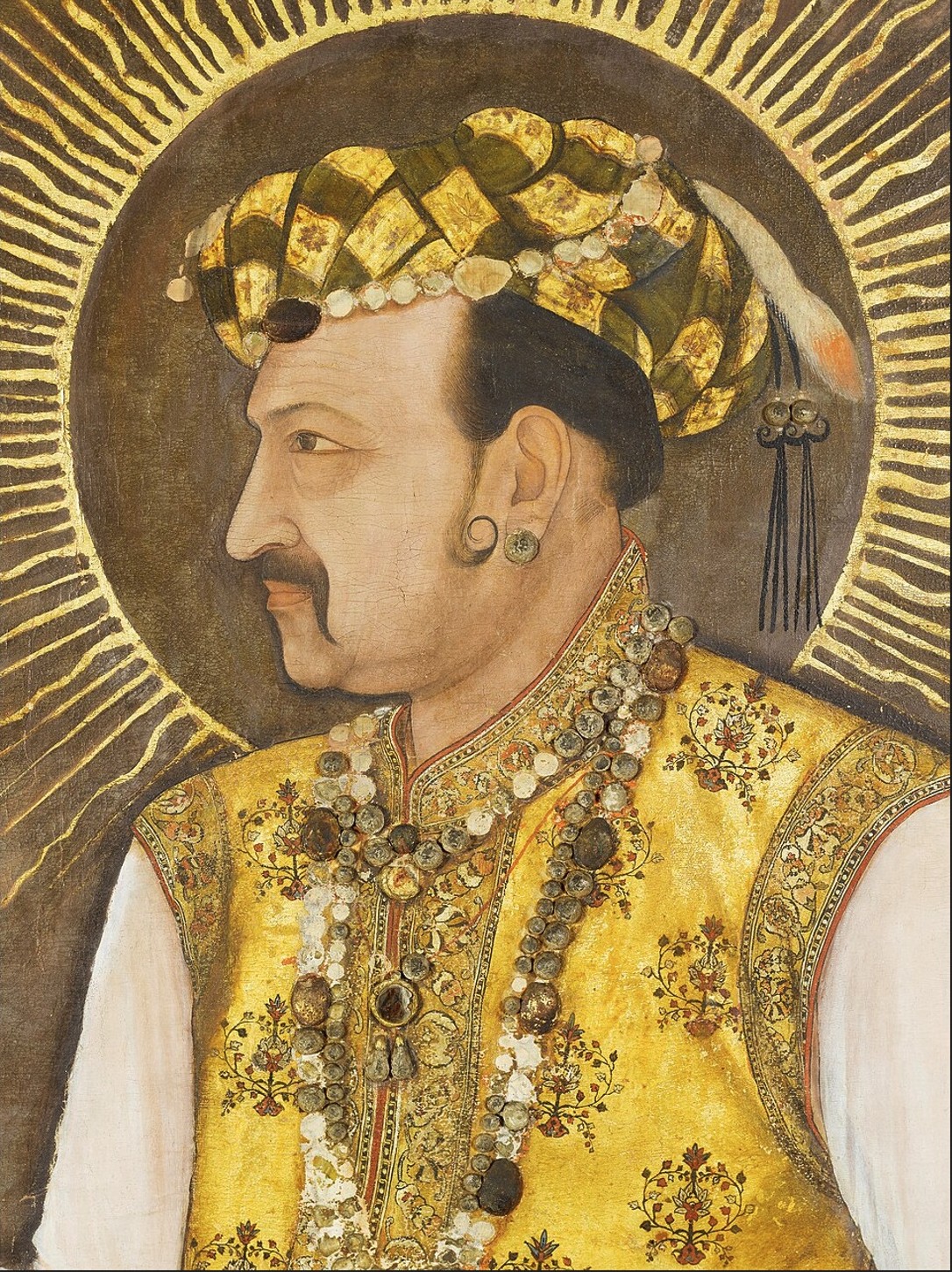
Mutribi al-Asamm al-Samarqandi مطربی اصم سمرقندی (1558/9-1630) was a poet and courtier from the central Asian khanate of Bokhara who visited the Jahangir (1569-1627), the fourth Mughal Emperor of Hindustan for a few weeks of 1627, during which they had twenty-four conversation which Mutribi recorded soon afterwards in his Memoirs اطرات مطربى . Presented here is the whole of their tenth conversation, in which both men took attraction to boys for granted.[1]
The translation from the original Persian is taken from “Mutribi” al-Asamm Samarqandi, Conversations with Emperor Jahangir, translated by Richard C. Foltzm and published by Mazda in Costa Mesa, California in 1998, pp. 48-50.
Tenth Meeting: The Best Color
for a Slave Boy
A night, like the dawn’s rays striking
The world brighter than the rays of the sun
I came before the threshold of the Refuge of the Angels. After I had performed the appropriate greetings, the Divine Viceregent spoke very kindly to me: “Preacher! What kind of slave-boy is best, white-skinned or dark?”
I replied, “Different people have different tastes. Some like black, others prefer white. But as the wise have said,
‘The Lover will find out everything about the Beloved
Whether the face be pleasing, or the form ugly.’”
His Majesty said, “I meant your personal preference—what have others got to do with us?”
I replied, “O Qibla of the World, let me see and I’ll tell you.”
“Look to your right and to your left,” he said. “Maybe then you’ll see!”
No sooner had he spoken than by my right was standing a black-skinned youth, and what a soul-destroyer! I lost my heart at the sight of him.
A Hindu youth stole my wretched heart
He stole away my resolve and my peace
Wisdom, knowledge, patience and forebearance
He stole away all with his sweet laughter
To my right stood a white-skinned boy; he too was so good and delicate that I couldn’t believe my eyes.
O white-skinned Moon! On such a good night
So amazingly agreeable by the light of the candle
You’re stealing helpless Mutribi’s heart
With your winks and loveable coquettishness
Don’t tell me to look at the meadow’s floral display
My heart is your captive; what have I to do with anything else?
I kept looking back and forth from my right side to my left until I couldn’t stand it anymore. “O Qibla of the World!” I said, “First I was captivated by the black, then by the white. These colors have gotten mixed up and made another color; I can no longer tell if the white youth is white or the black one black... indeed it must be a kind of candy-green color that gives the best taste.”
“Then we’ll have to say it’s this tasty green color!” he said, and recited the following quatrain:
“O you who are so tasty
You’ve sifted the atoms of life through with taste
You’ve made tasty the juices of the heart
With such an arousing appearance as yours.”
I said, “That reminds me of the saying of the Greats that His Excellency the Refuge of Prophecy (peace and blessings be upon him) once said, ‘Even if my brother Joseph (peace be upon him) was the pinnacle of beauty, I too have charm!’”[2] “That’s just what I meant,” the Emperor replied.
O God, as long as the Sun and Moon shall be
May Jahangir son of Akbar remain King.
At the time the following quatrain occurred to me, although I didn’t share it with the Divine Viceregent:
In the land of India I saw a ray of light
The beam of which fell upon my chest
Was this lovely face for real
Or a trick of India I saw in my sleep?
[1] Jahangir’s love of boys was also attested by the Revd. Edward Terry, who attended Jahangir’s court for a year and a half in 1617-8 as chaplain to the English embassy to him and reported in his A Relation of a Voyage to the Eastern India (published by Samuel Purchas in his Purchas his Pilgrimes in 1625, p. 311) that, “There lodge none in the Kings house but his women and eunuches, and some little boyes which hee keepes about him for a wicked use.” [Website note]
[2] The biblical figure of Joseph (Yusuf), whose story constitutes chapter 12 of the Qur’an, is treated in Muslim legend as the paradigm of beauty. [Translator’s footnote 98]
Comments powered by CComment