
PLUTARCH’S LIFE OF LUCULLUS
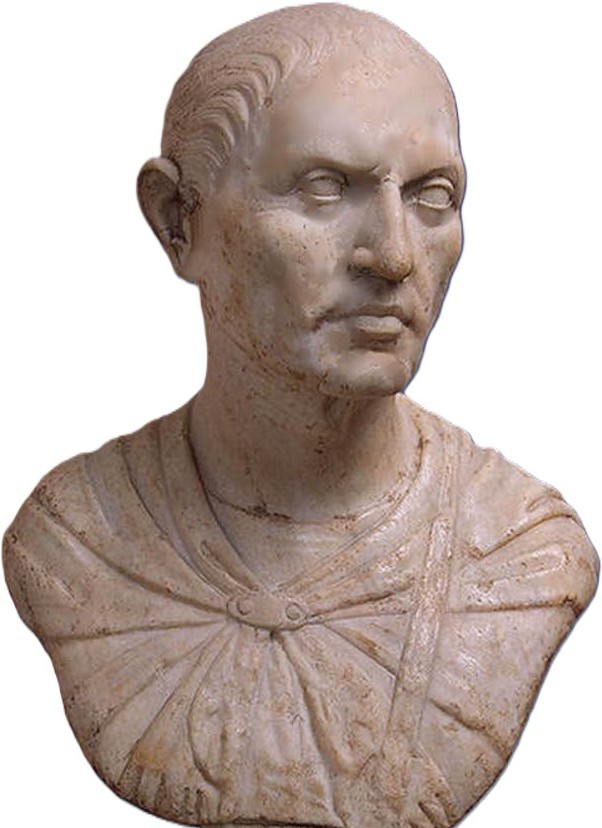
Lucius Licinius Lucullus (118-57/6 BC) was a highly-cultured Roman general who brilliantly defeated Rome’s enemies in the east.
The Greek biographer and essayist Plutarch wrote a biography of him at the beginning of the second century AD, as one of his Parallel Lives. Here follows the only passage in it relating to pederasty.
The translation is by Bernadotte Perrin in the Loeb Classical Library volume XLVII (Cambridge, Massachusetts, 1914).
20 i
Having defeated Mithridates VI King of Pontos in 72 BC and completed the recovery from him the Roman province of Asia (westernmost Anatolia), which contained hundreds of largely self-governed Greek city states:
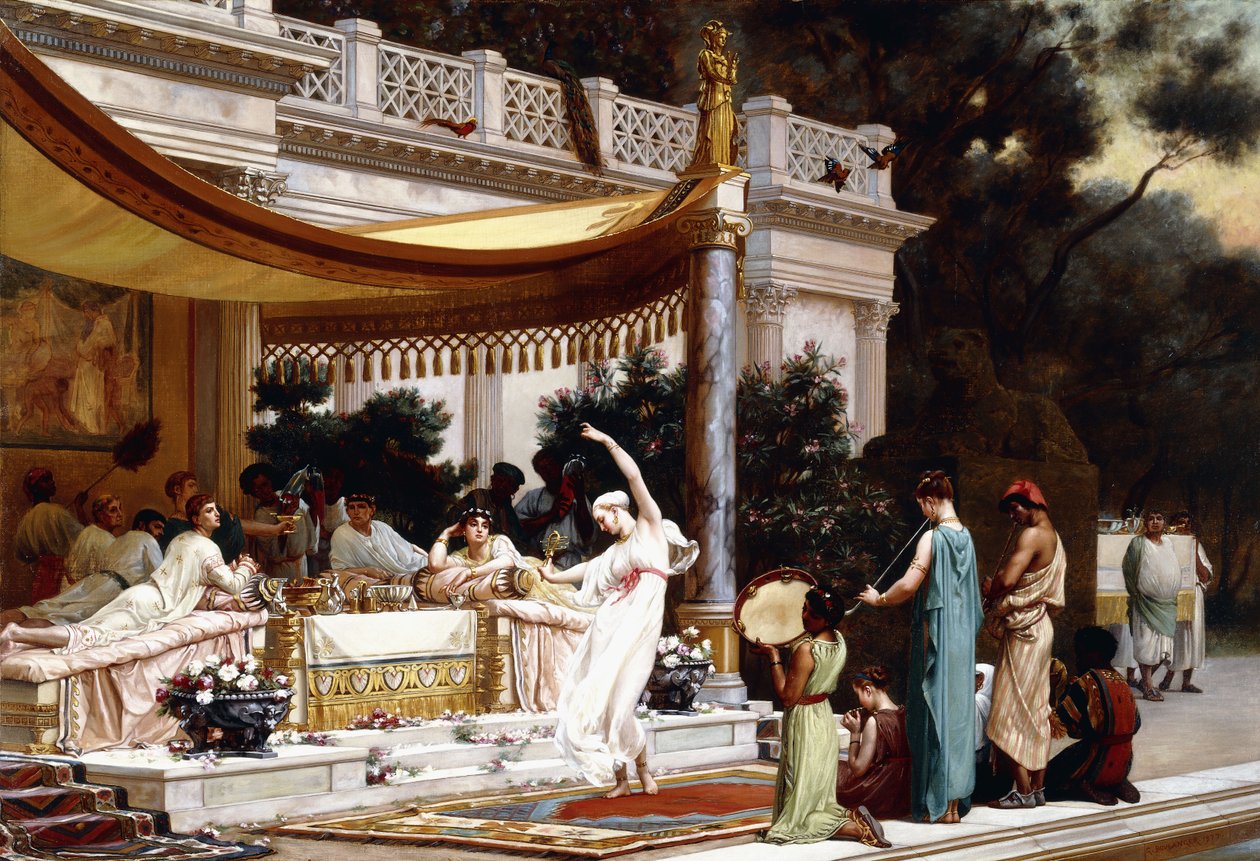
| Lucullus now turned his attention to the cities in Asia, in order that, while he was at leisure from military enterprises, he might do something for the furtherance of justice and law.[1] Through long lack of these, unspeakable and incredible misfortunes were rife in the province. Its people were plundered and reduced to slavery by the tax-gatherers and money-lenders. Families were forced to sell their comely[2] sons and virgin daughters, and cities their votive offerings, pictures, and sacred statues. | Λούκουλλος δὲ τρέπεται πρὸς τὰς ἐν Ἀσίᾳ πόλεις, ὅπως, τῶν πολεμικῶν ἔργων σχολάζοντος αὐτοῦ, καὶ δίκης τινὸς μετάσχῃ καὶ θεσμῶν, ὧν ἐπὶ πολὺν χρόνον ἐνδεῆ τὴν ἐπαρχίαν οὖσαν ἄρρητοι καὶ ἄπιστοι δυστυχίαι κατεῖχον, ὑπὸ τῶν τελωνῶν καὶ τῶν δανειστῶν πορθουμένην καὶ ἀνδραποδιζομένην, πιπράσκειν ἰδίᾳ μὲν υἱοὺς εὐπρεπεῖς θυγατέρας τε παρθένους, δημοσίᾳ δ᾿ ἀναθήματα, γραφάς, ἱεροὺς ἀνδριάντας ἀναγκαζομένων. |
[1] Asia had been a Roman province since 133 BC and it had been hatred of corrupt Roman practices in this particularly wealthy part of the Empire that had enabled Mithridates to instigate its revolt against Rome in 88 BC and the slaughter of the many Roman and Italian inhabitants. The rapacious Roman practices had apparently resumed with the restoration of Roman rule over most of the province in 82 BC. Lucullus’s efforts to reform Roman administration was to make him increasingly unpopular among the powerful publicani (public contractors, include tax collectors) back in Rome.
[2] It is on this word εὐπρεπεῖς (comely) that the pederastic implications of the sale of their sons hangs: comeliness was prized rather than strength or skilled labour.
Comments powered by CComment