
THE MORALIA BY PLUTARCH
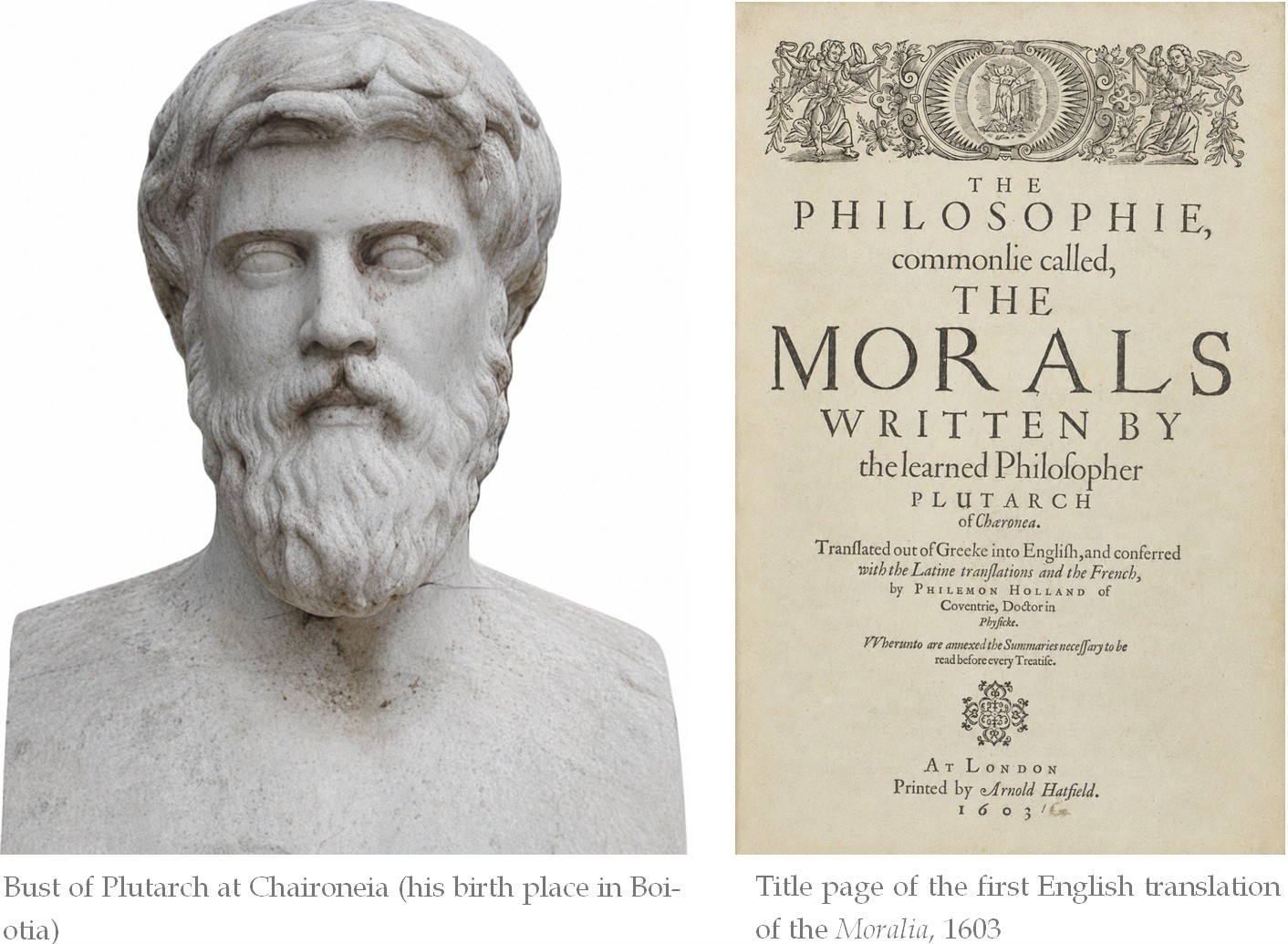
The Moralia by the Boiotian Greek historian and philosopher Plutarch Πλούταρχος of Chaironeia (ca. AD 46-120), who won Roman imperial favour and rose to become procurator of Achaia, was an eclectic collection of seventy-eight of his essays written sometime around AD 100. About a third of them had something to say of Greek love interest. The shorter passages are presented below together with links to the longer ones.
The translations are from the Loeb Classical Library, published in fifteen volumes by William Heinemann in London. That of traditional (Stephanus edition) page numbers 31-86 is by Frank Cole Babbitt in 1927, that of 261 by the same in 1931, that of 313-333 by the same in 1936, that of 442-520 by W. C. Helmbold in 1939, that of 825 by Harold North Fowler in 1936, that of 972 by Harold Cherniss and W. C. Helmbold in 1957, and that of 1099-1133 by Benedict Einarson, and Phillip H. De Lacy in 1967. Romanisations of Greek names have been replaced by closer transliterations of the Greek.
The Education of Children Περὶ παίδων ἀγωγῆς
See the article The Education of Children by Plutarch.
How the Young Man Should Study Poetry Πῶς δεῖ τὸν νέον ποιημάτων ἀκούειν 31c
| After the same manner should he that is fond of wine be on his guard against drunkenness, and he that is amorous against love. So did Agesilaos, who would not submit to being kissed by the handsome boy who approached him,[1] | οὕτω δὲ δεῖ καὶ πρὸς μέθην τὸν φίλοινον ἔχειν καὶ πρὸς ἔρωτα τὸν ἐρωτικόν· ὥσπερ ὁ Ἀγησίλαος οὐχ ὑπέμεινεν ὑπὸ τοῦ καλοῦ φιληθῆναι προσιόντος, ὁ δὲ Κῦρος οὐδ᾿ ἰδεῖν τὴν Πάνθειαν ἐτόλμησε, |
How to Tell a Flatterer from a Friend Πῶς ἄν τις διακρίνοιε τὸν κόλακα τοῦ φίλου 71b-c
| And least of all is it decent to expose a husband in the hearing of his wife, and a father in the sight of his children, and a lover in the presence of his beloved,[2] or a teacher in the presence of his students: for such persons are driven almost insane with grief and anger at being taken to task before those with whom they feel it is necessary to stand well. | [b] ἄγχι σχὼν κεφαλήν, ἵνα μὴ πευθοίαθ᾿ οἱ ἄλλοι, [c] ἥκιστα δὲ πρέπει γαμετῆς ἀκουούσης ἄνδρα καὶ παίδων ἐν ὄψει πατέρα καὶ ἐραστὴν ἐρωμένου παρόντος ἢ γνωρίμων διδάσκαλον ἀποκαλύπτειν· ἐξίστανται γὰρ ὑπὸ λύπης καὶ ὀργῆς ἐλεγχόμενοι παρ᾿ οἷς εὐδοκιμεῖν ἀξιοῦσιν. |
How a Man May Become Aware of his Progress in Virtue Πῶς ἄν τις αἴσθοιτο ἑαυτοῦ προκόπτοντος ἐπ᾿ ἀρετῇ 75b-86a
See the article How a Man May Become Aware of his Progress in Virtue by Plutarch.
Sayings of Kings and Commanders Βασιλέων ἀποφθέγματα καὶ στρατηγών 172a-194e
See the article Sayings of Kings and Commanders by Plutarch.
Sayings of Romans 194e-208a
The only passage of Greek love interest is in the article The Killing of Gaius Lusius, 104 BC.
Sayings of Spartans Ἀποφθέγματα Λακωνικά 208b-236e
See the article Sayings of Spartans by Plutarch.
The Ancient Customs of the Spartans Τὰ παλαιὰ τῶν Λακεδαιμονίων ἐπιτηδεύματα 237c 7
See the article Pederasty in ancient Sparta.
Bravery of Women Γυναικῶν ἀρεταί 261f
Xenokrite Ξενοκρίτην
On Aristodemos (died ca. 490 BC), tyrant of the Greek colony of Kumai in Italy:
| Following upon this, he made himself despot, and in the ways in which he misconducted himself towards women and free-born youth he surpassed his former record for viciousness. In fact it is recorded in history that he imposed on the boys the custom of wearing long hair and golden ornaments,[3] and the girls he compelled to bob their hair and to wear boys’ clothes and the short undergarment. | ἐκ δὲ τούτου γενόμενος τύραννος ἦν μὲν ἐν ταῖς περὶ γυναῖκας καὶ παῖδας ἐλευθέρους ἀδικίαις αὐτὸς ἑαυτοῦ μοχθηρότερος. ἱστόρηται γὰρ ὅτι τοὺς μὲν ἄρρενας παῖδας ἤσκει κομᾶν καὶ χρυσοφορεῖν, τὰς δὲ θηλείας ἠνάγκαζε περιτρόχαλα κείρεσθαι καὶ φορεῖν ἐφηβικὰς χλαμύδας καὶ τῶν ἀνακώλων χιτωνίσκων. |
The Roman Questions Αἴτια Ῥωμαϊκά 263c-291c
See the article The Roman Questions by Plutarch.
Greek and Roman Parallel Stories Συναγωγὴ ἱστοριῶν παραλλήλων Ἑλληνικῶν καὶ Ρωμαϊκῶν 313e
See the article Laios and Chrysippos.
On the Fortune or the Virtue of Alexander Περὶ τῆς Ἀλεξάνδρου τύχης ἢ ἀρετῆς 333a
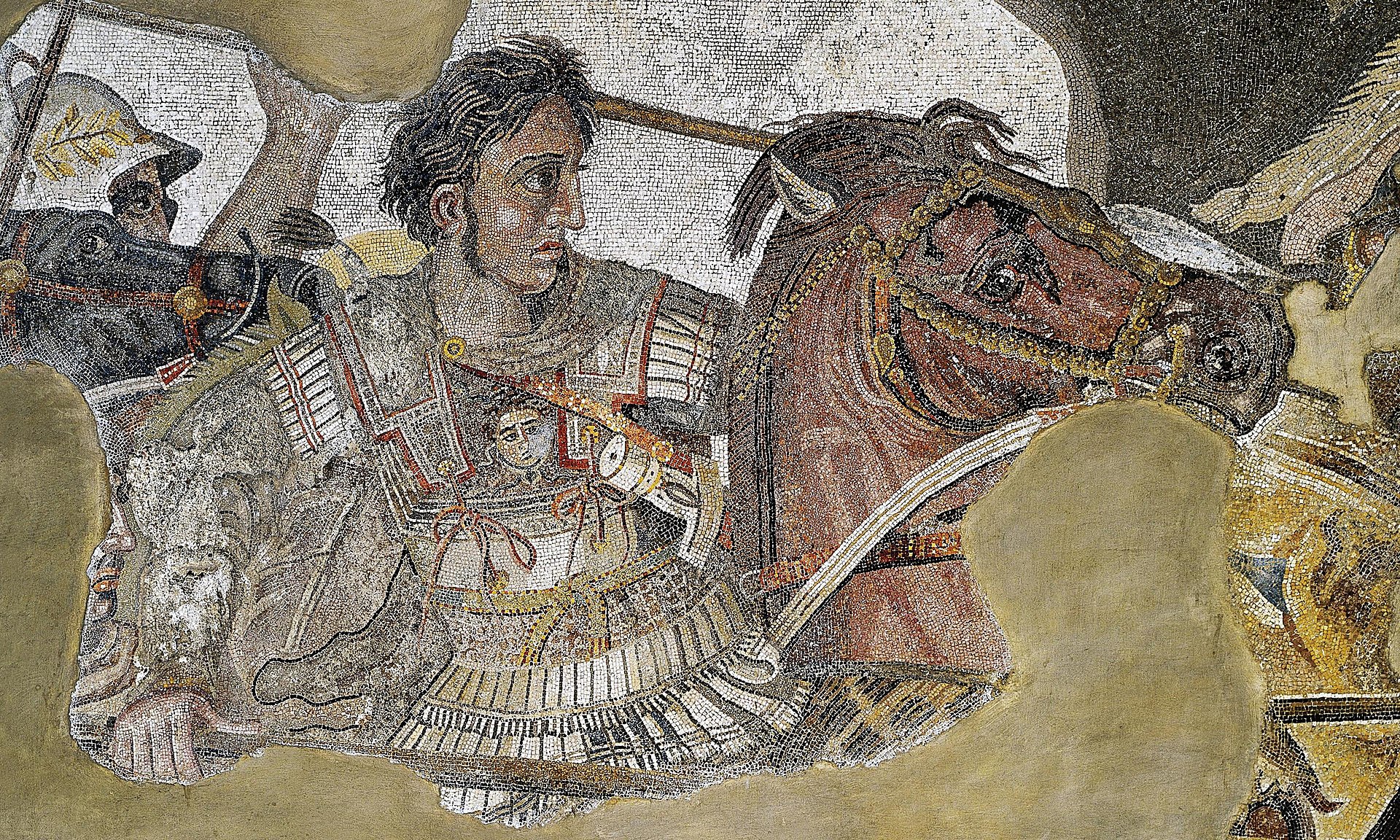
| But let us compare the actions of men who are admitted to be philosophers. Sokrates forbore when Alkibiades spent the night with him.[4] But when Philoxenos, the governor of the coast-lands of Asia Minor, wrote to Alexander that there was in Ionia a youth, the like of whom for bloom and beauty did not exist, and inquired in his letter whether he should send the boy on to him, Alexander wrote bitterly in reply, “Vilest of men, what deed of this sort have you ever been privy to in my past that now you would flatter me with the offer of such pleasures?”[5] | [12] Παραθῶμεν τὰ τῶν ὁμολογουμένων φιλοσόφων. Σωκράτης ἠνέσχετο συγκοιμηθέντος Ἀλκιβιάδου· Ἀλέξανδρος δέ, Φιλοξένου τοῦ τῆς παραλίας ὑπάρχου γράψαντος, ὅτι παῖς ἐν Ἰωνίᾳ γέγονεν οἷος οὐκ ἄλλος ὥραν καὶ εἶδος, καὶ πυνθανομένου διὰ τῶν γραμμάτων εἰ ἀναπέμψοι, πικρῶς ἀντέγραψεν, “ὦ κάκιστ᾿ ἀνθρώπων, τί μοι πώποτε τοιοῦτο συνέγνως, ἵνα τοιαύταις με κολακεύσῃς ἡδοναῖς;” |
On Moral Virtue Περὶ ἠθικῆς ἀρετῆς
442e
On how the passionate part of the human is subservient to the rational:
| An evident proof of this is also the shrinking and withdrawal of the private parts, which hold their peace and remain quiet in the presence of such beautiful maidens and youths[6] as neither reason nor law allows us to touch. | Δηλοῦσι δὲ καὶ παρὰ καλαῖς καὶ καλοῖς, οἵων οὐκ ἐᾷ λόγος οὐδὲ νόμος θιγεῖν, αἰδοίων φυγαὶ καὶ ἀναχωρήσεις ἡσυχίαν ἀγόντων καὶ ἀτρεμούντων. |
448c-d
| It is not only from their dissension, however, but no less from their agreement, that one can perceive that the source of passion is essentially different from that of reason. For since it is equally possible to love a noble boy[7], well-formed by nature for virtue, and to love an evil and profligate one, and since it happens that one both becomes angry irrationally against one's own children or parents, and angry justly on behalf of parents and children against enemies and despots; just as in the one case there is perception of struggle and dissension of passion against reason, so in the other there is perception of persuasion and agreement on the part of passion, which inclines the scales, as it were, in favour of reason and increases its power. | [448c] Οὐ μόνον τοίνυν ἀπὸ τῆς μάχης ἀλλ᾿ οὐδὲν [d] ἧττον ἀπὸ τῆς ἀκολουθίας κατίδοι τις ἂν τὴν παθητικὴν ἀρχὴν τῆς λογιστικῆς ἑτέραν οὖσαν. ἐπεὶ γὰρ ἔστι μὲν ἐρᾶν εὐφυοῦς πρὸς ἀρετὴν καὶ γενναίου παιδὸς ἔστι δὲ φαύλου καὶ ἀκολάστου, συμβαίνει δὲ θυμῷ χρῆσθαι μὲν ἀλόγως πρὸς παῖδας αὑτοῦ καὶ γονεῖς χρῆσθαι δ᾿ ὑπὲρ γονέων καὶ παίδων δικαίως πρὸς πολεμίους καὶ τυράννους· ὥσπερ ἐκεῖ μάχης καὶ διαφορᾶς τοῦ πάθους πρὸς τὸν λογισμὸν αἴσθησις ἔστιν, οὕτως ἐνταῦθα πειθοῦς καὶ ἀκολουθίας, οἷον ἐπιρρέποντος καὶ συνεπιδιδόντος. |
On Being a Busybody Περὶ πολυπραγμοσύνης 520c-d
On how busybodies may be cured:
|
Therefore just as at Rome there are some who take no account of paintings or statues or even, by Heaven, of the beauty of the boys and women for sale, but haunt the monster-market, examining those who have no calves, or are weasel-armed, or have three eyes, or ostrich-heads, and searching to learn whether there has been born some Commingled shape and misformed prodigy, yet if one continually conduct them to such sights, they will soon experience satiety and nausea; so let those who are curious about life’s failures, the blots on the scutcheon, the delinquencies and errors in other people's homes, remind themselves that their former discoveries have brought them no favour or profit. |
[c] ὥσπερ οὖν ἐν Ῥώμῃ τινὲς τὰς γραφὰς καὶ τοὺς ἀνδριάντας καὶ νὴ Δία τὰ κάλλη τῶν ὠνίων παίδων καὶ γυναικῶν ἐν μηδενὶ λόγῳ τιθέμενοι περὶ τὴν τῶν τεράτων ἀγορὰν ἀναστρέφονται, τοὺς ἀκνήμους καὶ τοὺς γαλεάγκωνας καὶ τοὺς τριοφθάλμους καὶ τοὺς στρουθοκεφάλους καταμανθάνοντες καὶ ζητοῦντες εἴ τι γεγένηται σύμμικτον εἶδος καὶ ἀποφώλιον τέρας, ἀλλ᾿ ἐὰν συνεχῶς τις ἐπαγάγῃ τοῖς τοιούτοις αὐτοὺς θεάμασι, ταχὺ πλησμονὴν καὶ ναυτίαν τὸ πρᾶγμα παρέξει, οὕτως οἱ τὰ περὶ τὸν βίον ἀστοχήματα καὶ γενῶν αἴσχη καὶ διαστροφάς τινας ἐν οἴκοις ἀλλοτρίοις καὶ πλημμελείας πολυπραγμονοῦντες τῶν [d] πρώτων ἀναμιμνησκέτωσαν ἑαυτοὺς ὅτι χάριν καὶ ὄνησιν οὐδεμίαν ἤνεγκε. |
Table Talk Συμποσιακά 612c-748d
See the article Table-talk by Plutarch.
The Dialogue on Love Ἐρωτικός 748e-771e
See the article The Dialogue on Love by Plutarch.
Love Stories Ἐρωτικαὶ διηγήσεις 771e-775e
See the article Love Stories by Plutarch.
Precepts of Statecraft Πολιτικὰ παραγγέλματα 825c-d
On how private troubles may become the cause of great public ones if overlooked:
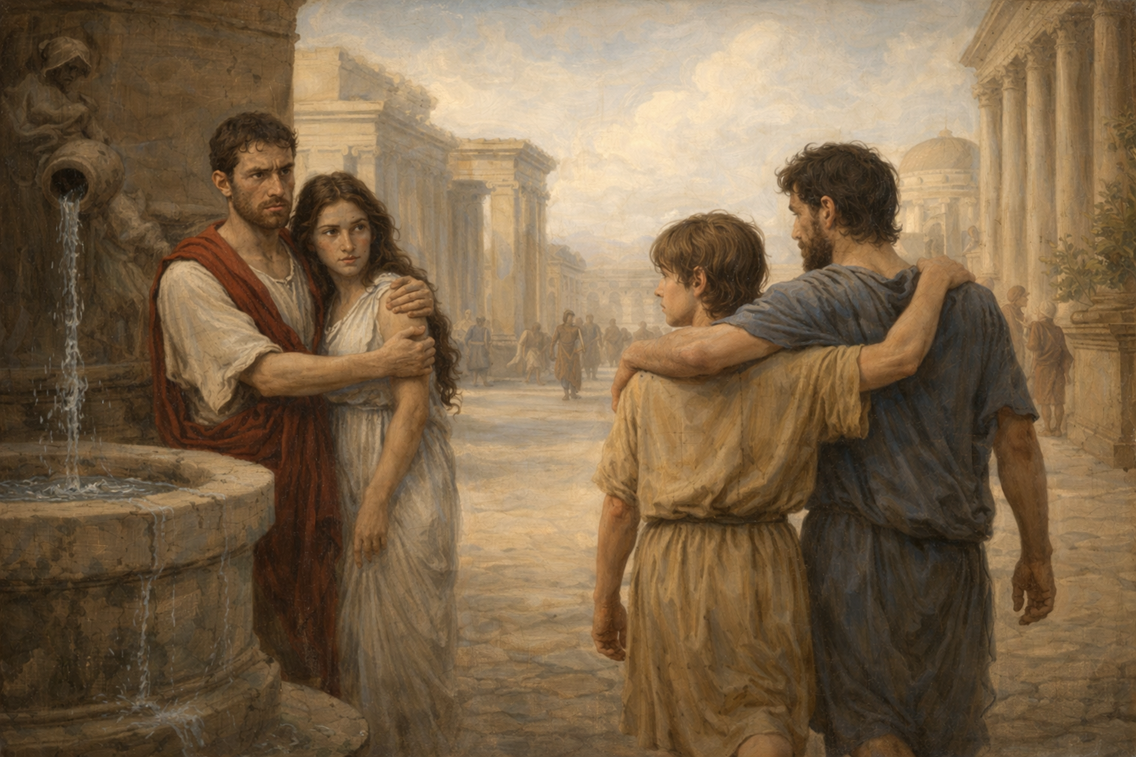
| And at Syracuse there were two young men, intimate friends, one of whom, being entrusted with his friend’s beloved for safe-keeping, seduced him while the other was away; then the latter, as if to repay outrage with outrage, committed adultery with the offender’s wife. Thereupon one of the elder men came forward in the senate and moved that both be banished before the State reap the result and be infected with enmity through them. His motion, however, was not carried, and from this beginning disorder arose which caused great disasters and overthrew the most excellent government. | [c] ἐν δὲ Συρακούσαις δυεῖν νεανίσκων συνήθων ὁ μὲν τὸν ἐρώμενον τοῦ ἑτέρου λαβὼν φυλάσσειν διέφθειρεν ἀποδημοῦντος, ὁ δ᾿ ἐκείνῳ πάλιν ὥσπερ ἀνταποδιδοὺς ὕβριν ἐμοίχευσε τὴν γυναῖκα· τῶν δὲ πρεσβυτέρων τις εἰς βουλὴν παρελθὼν ἐκέλευσεν ἀμφοτέρους ἐλαύνειν, πρὶν ἀπολαῦσαι καὶ ἀναπλησθῆναι τὴν πόλιν ἀπ᾿ αὐτῶν τῆς ἔχθρας· οὐ μὴν ἔπεισεν, ἀλλ᾿ ἐκ τούτου στασιάσαντες [d] ἐπὶ συμφοραῖς μεγάλαις τὴν ἀρίστην πολιτείαν ἀνέτρεψαν. |
Lives of the Ten Orators Βίοι τῶν δέκα ῥητόρων 838f-839a
IV Isokrates Ἰσοκράτης
See the article Sophokles as a Boy-Lover.
On the Malice of Herodotos Περὶ τῆς Ἡροδότου κακοηθείας 857c
See the article Pederasty in ancient Persia.
Whether Land or Sea Animals are Cleverer
972f 18
| As for the goose in Aigion that loved a boy and the ram that set his heart on Glauke the harp-player, since these are famous tales and I rather imagine you have had enough of such to spoil your appetite for more, I omit them.[8] | Τὸν δ᾿ ἐν Αἰγίῳ παιδεραστοῦντα χῆνα καὶ τὸν ἐπιθυμήσαντα Γλαύκης τῆς κιθαρῳδοῦ κριόν, περιβόητοι γάρ εἰσι καὶ πολλῶν οἶμαι διηγημάτων διακορεῖς ὑμᾶς εἶναι· διὸ ταῦτα μὲν ἀφίημι. |
984e-f
See the article On Dolphins as Boy-lovers.
Beasts are Rational Περὶ τοῦ τὰ ἄλογα λόγῳ χρῆσθαι 985c-992e
See the article Beasts are Rational by Plutarch.
That Epikouros Actually Makes a Pleasant Life Impossible Ὅτι οὐδὲ ἡδέως ζῆν ἔστιν κατ’ Ἐπίκουρον 1099d
An example of how “men of action”, while appreciating “bodily pleasures”, regard them as inconsiderable when preoccupied with greater matters:
| And when Philoxenos wrote to suggest the purchase of handsome boys, Alexander came within an ace of relieving him from his command.[9] Yet who had greater liberty to do what he pleased? | Φιλόξενον δὲ γράψαντα περὶ παίδων καλῶν εἰ πρίηται μικρὸν ἐδέησε τῆς ἐπιτροπῆς ἀποστῆσαι· καίτοι τίνι μᾶλλον ἐξῆν; |
On Music Περὶ μουσικῆς 1133d-e
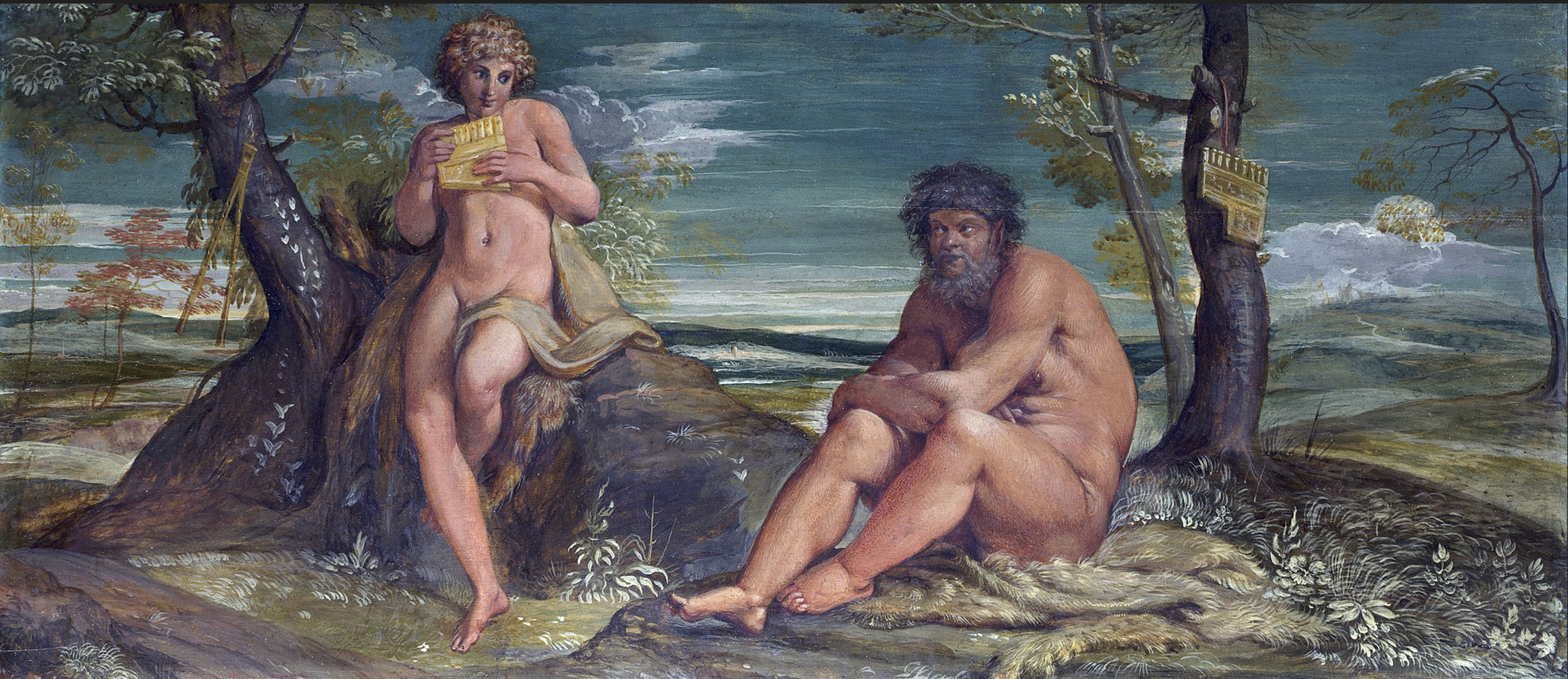
| (This Olympos the authorities say was a descendant of the elder Olympos, the disciple of Marsyas, who had composed his nomes in honour of the gods; for this elder Olympos, who had been the loved boy[10] of Marsyas, from whom he learned to play the auloi, brought to Greece the enharmonic nomes which the Greeks now perform at the festivals of the gods.)[11] | [d] εἶναι δὲ τὸν Ὄλυμπον τοῦτόν φασιν ἕνα τῶν ἀπὸ τοῦ πρώτου Ὀλύμπου τοῦ Μαρσύου, πεποιηκότος εἰς τοὺς θεοὺς τοὺς [e] νόμους· οὗτος γὰρ παιδικὰ γενόμενος Μαρσύου καὶ τὴν αὔλησιν μαθὼν παρ᾿ αὐτοῦ, τοὺς νόμους τοὺς ἁρμονικοὺς ἐξήνεγκεν εἰς τὴν Ἑλλάδα οἷς νῦν χρῶνται οἱ Ἕλληνες ἐν ταῖς ἑορταῖς τῶν θεῶν. |
[1] This refers to an incident in 395 BC when Agesilaos II King of the Spartans refused to be kissed by Megabates, a beautiful Persian boy he had fallen in love with, a story most fully recounted by Xenophon in his Agesilaos V 4-5. [Website note]
[2] Note that “lover” and “beloved” are used here to translate ἐραστὴν ἐρωμένου, words in the masculine gender. Indeed, these are the words conventionally used for a man and a boy in a pederastic love affair. [Website note]
[3] This was recounted in much greater detail by Dionysios of Halikarnassos in his Roman Antiquities VII 9, except that he did not mention that Aristodemos “misconducted himself” towards free-born youth. [Website note]
[4] For greater detail on what this alludes to, see Plato, Symposium 218c and Diogenes Laertius, Lives and Opinions of Eminent Philosophers II 31. [Website note]
[5] For slightly greater detail on this story, see Plutarch’s Life of Alexander XXII 1, where it is given as one of many examples of how Alexander considered “the mastery of himself a more kingly thing than the conquest of his enemies””. [Website note]
[6] The translation of καλαῖς καὶ καλοῖς as “beautiful maidens and youths” is very approximate, though perhaps fair enough; it really means “the beautiful [implicitly female] and the beautiful [implicitly male”], ie. the beautiful of both sexes. [Website note]
[7] “Youth” has been replaced by the more accurate “boy” as a translation of παιδὸς. [Website note]
[8] “The story of the goose at Aegion that fell in love with the supremely beautiful boy Amphilochos of Olenos” was mentioned by Pliny the elder in his Natural History X 51 xxvi. Both this and the story of Glauke (a woman) were told by Aelian, On the Nature of Animals V 29. [Website note]
[9] The anecdote of how Alexander the Great indignantly refused the suggestion of Philoxenos, “the commander of his forces on the sea-board” to buy two beautiful slave-boys on sale was told most fully by Plutarch in his Life of Alexander XXII 1 as one of many examples of how Alexander considered “the mastery of himself a more kingly thing than the conquest of his enemies.” [Website note]
[10] The euphemism “favourite” has been replaced by “loved boy” as a translation of παιδικὰ, the boy in a pederastic liaison. [Website note]
[11] Marsyas in Greek mythology was a satyr expert at playing the aulos (double-piped flute). [Website note]
Comments powered by CComment