
THE MOVING PICTURE BOY ARCHIVE
LAKŠI SLUČAJ SMRTI
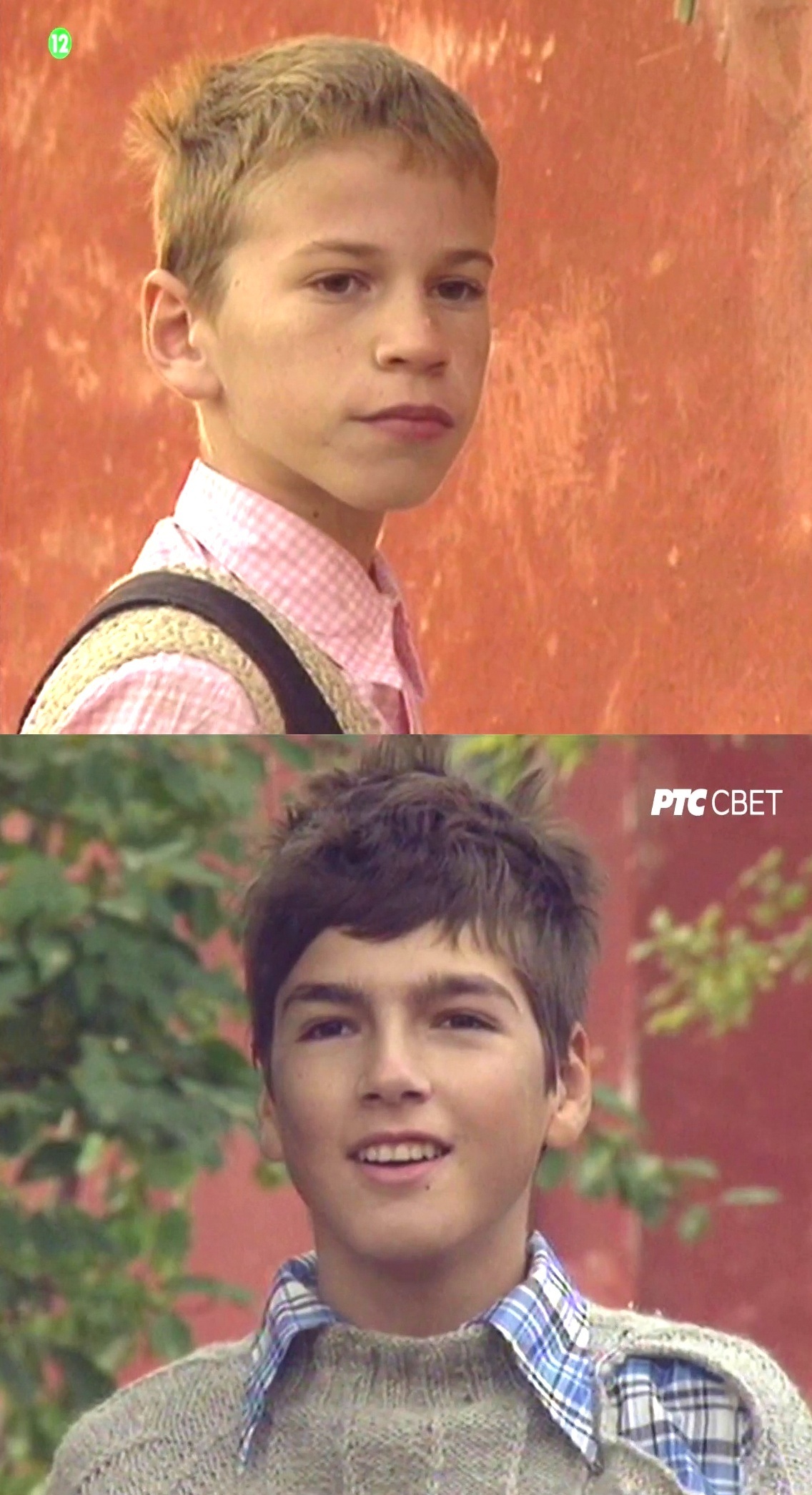
Title: Лакши случај смрти
Romanisation: Lakši slučaj smrti
English translation of title: An Easier Case of Death. The Serbian word lakši means easier, milder or less serious. A suitably ironic English rendering of the title might be A Slight Case of Death.
Production type: TV movie
Year of transmission: 1993
Director: Predrag Velinović
Screenwriter: Ranko Božić
Genre: Coming of age
Country of Production: Federal Republic of Yugoslavia [formed in 1992 after the breakup of Yugoslavia, and comprising Serbia and Montenegro]
Length: 1 hour 9 minutes
Language: Serbian
Principal boy actors: see above banner and caption
Availability: a digital recording from transmission is available. No subtitles are available at time of writing.
Synopsis
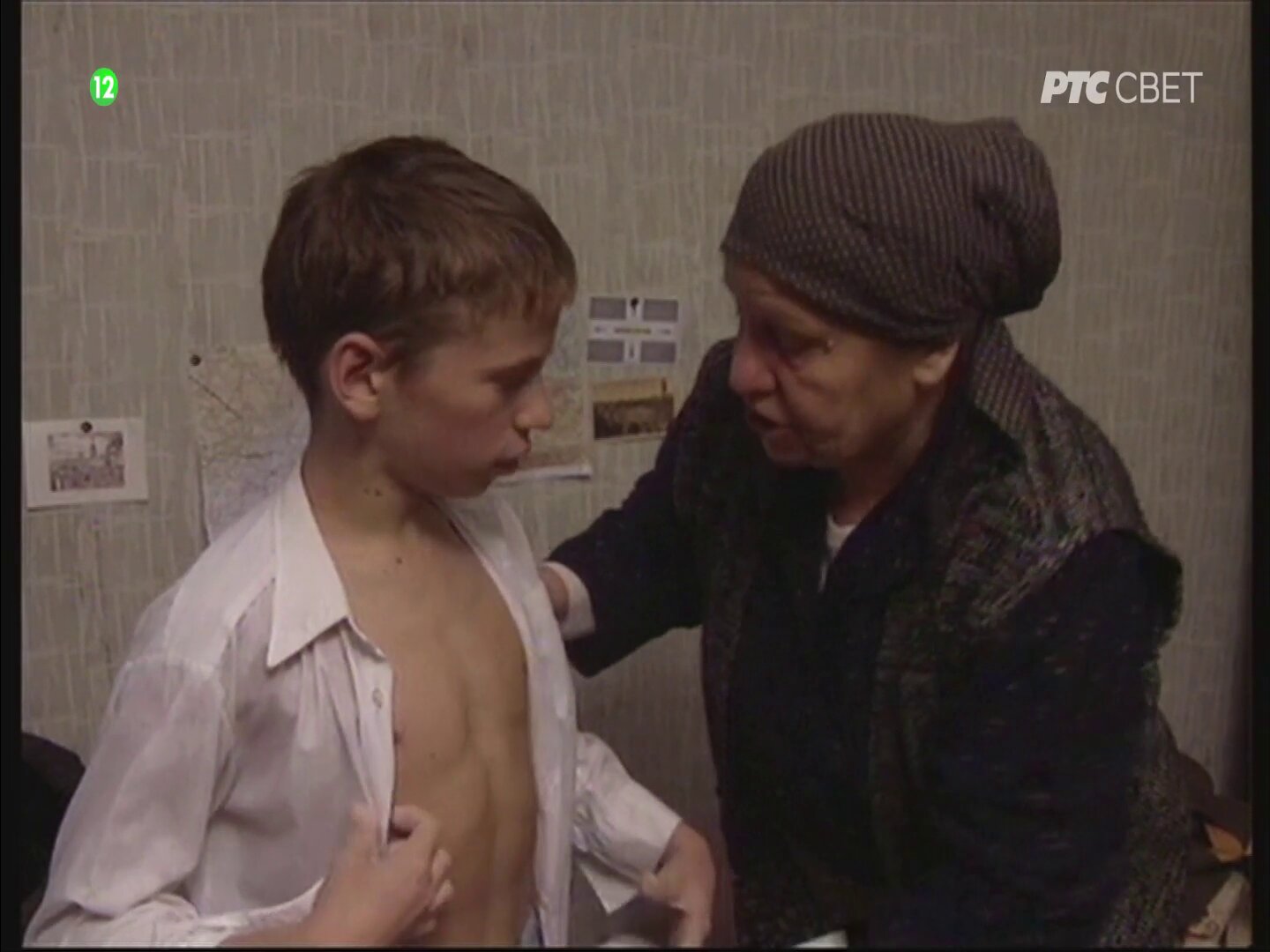
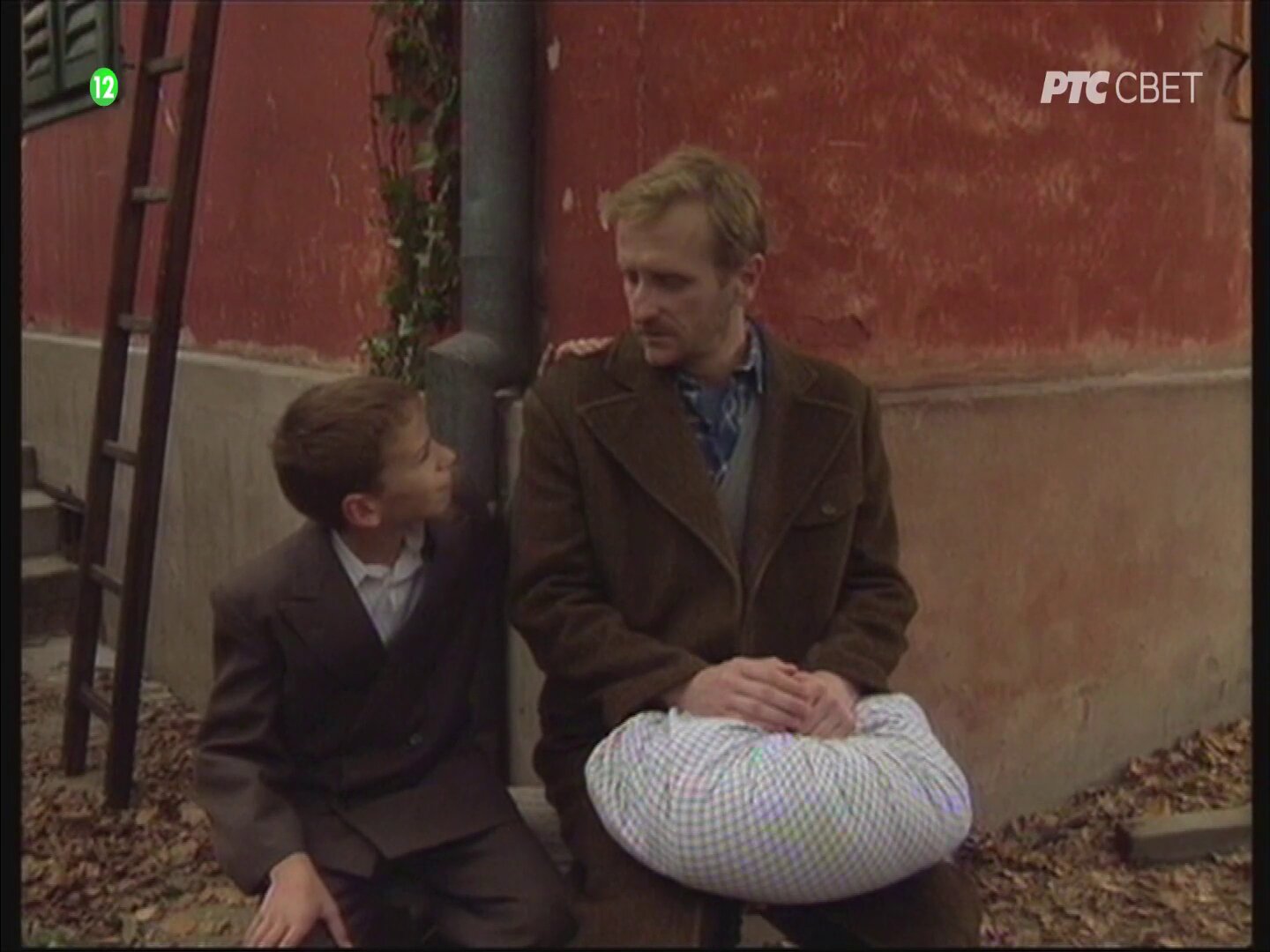
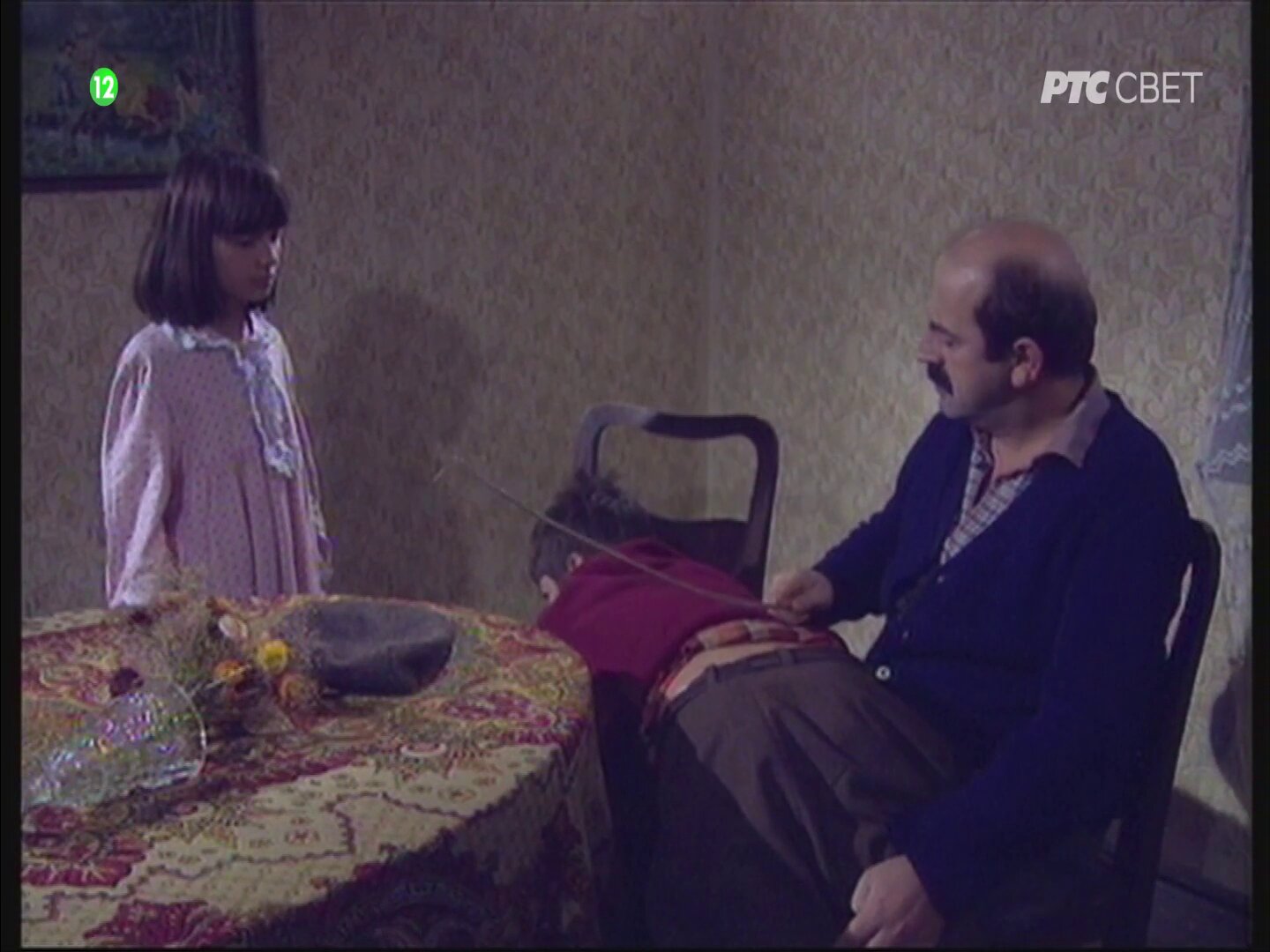
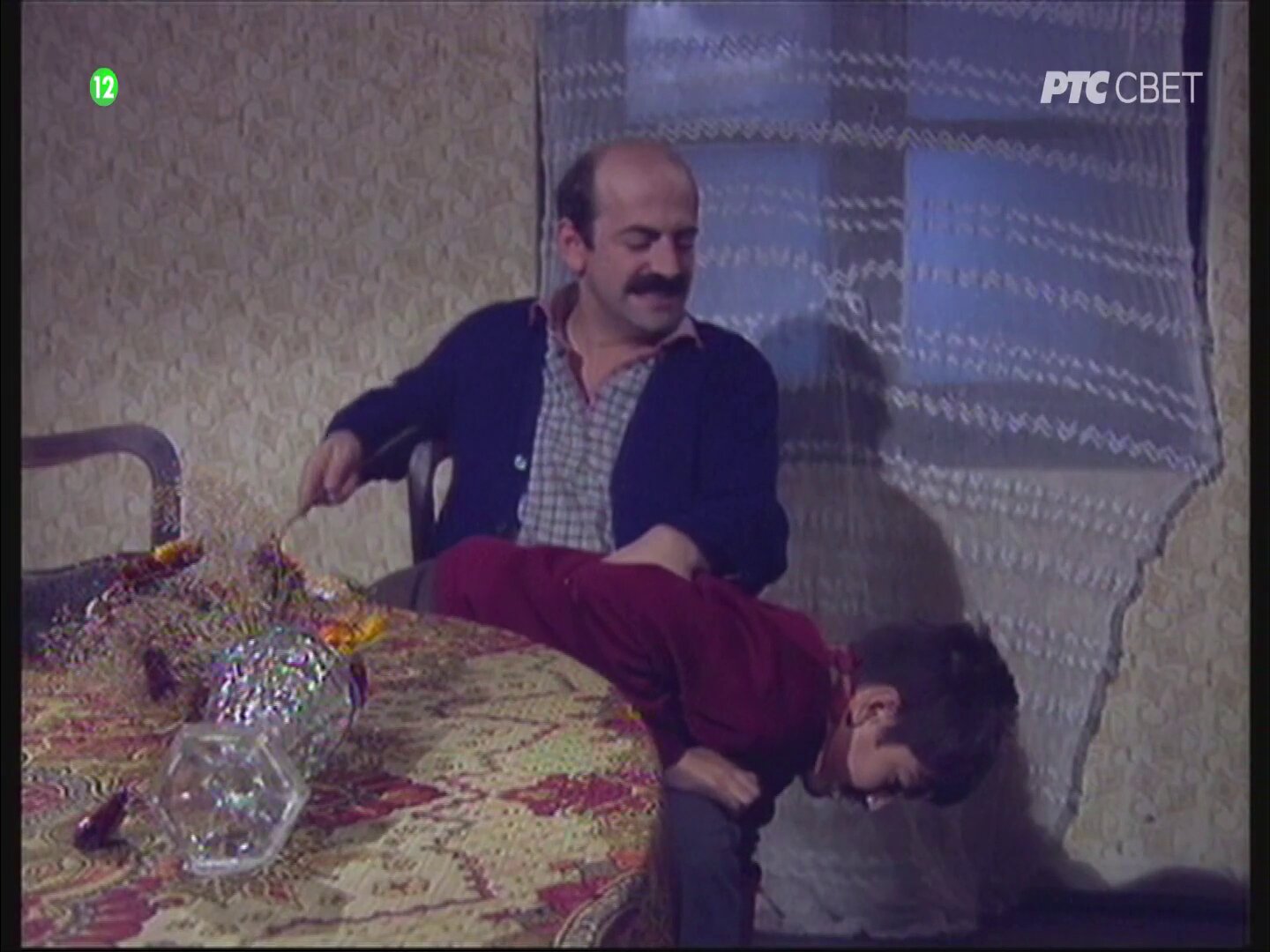
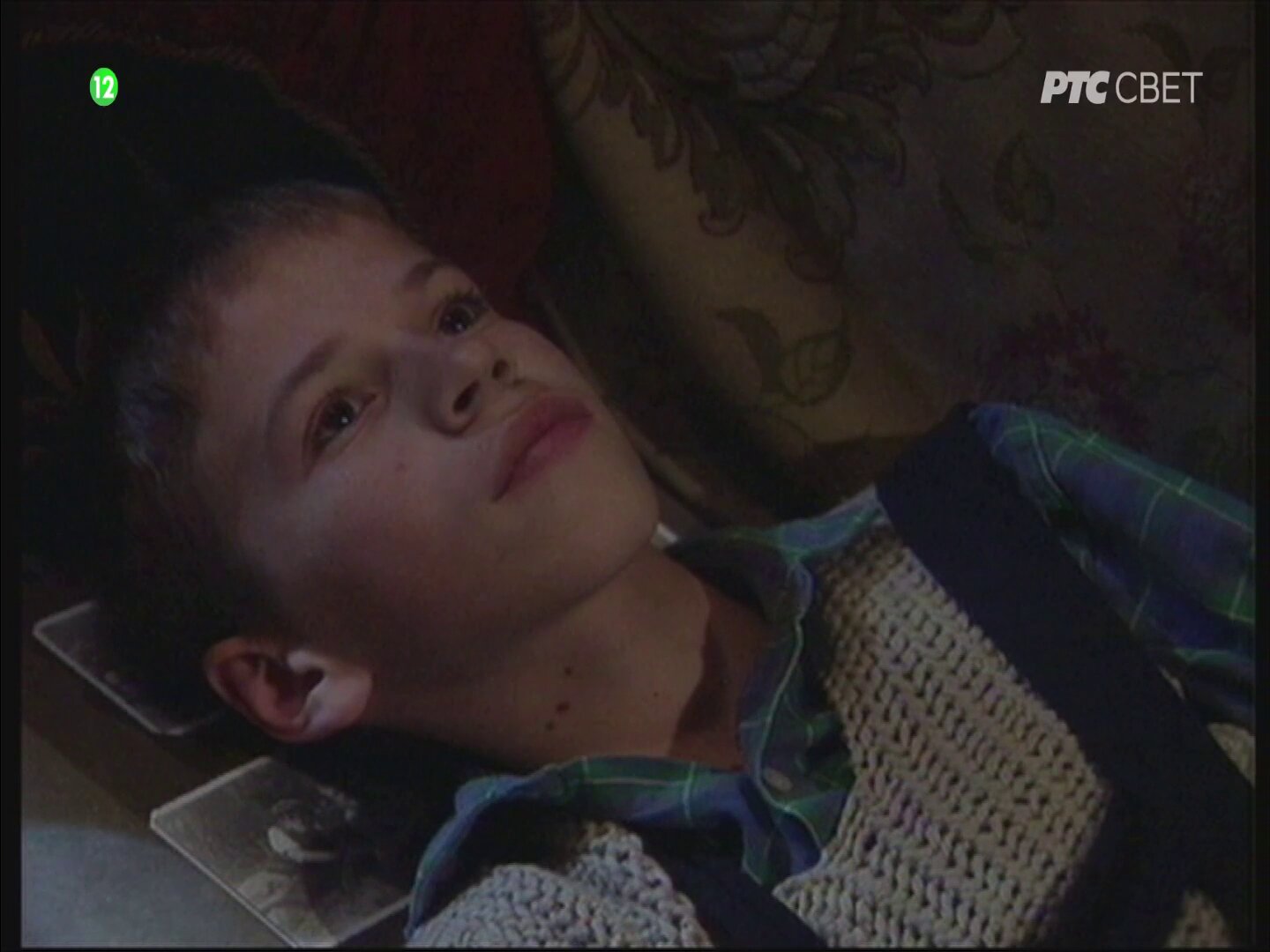
This melancholy and strangely moving little film is set in a poor suburban neighbourhood of Serbia in the 1960s, where two boys, Relja and Šaponja, are growing up. Relja smokes, has a girlfriend, and frequently clashes with his father. Beneath his bravado, however, he is frustrated by poverty and dreams of escaping the neighbourhood. Šaponja is quieter, more sensitive and closely attached to his grandmother, with whom he lives. His father has gone to work in Germany, and Šaponja anxiously hopes to one day hear from him.
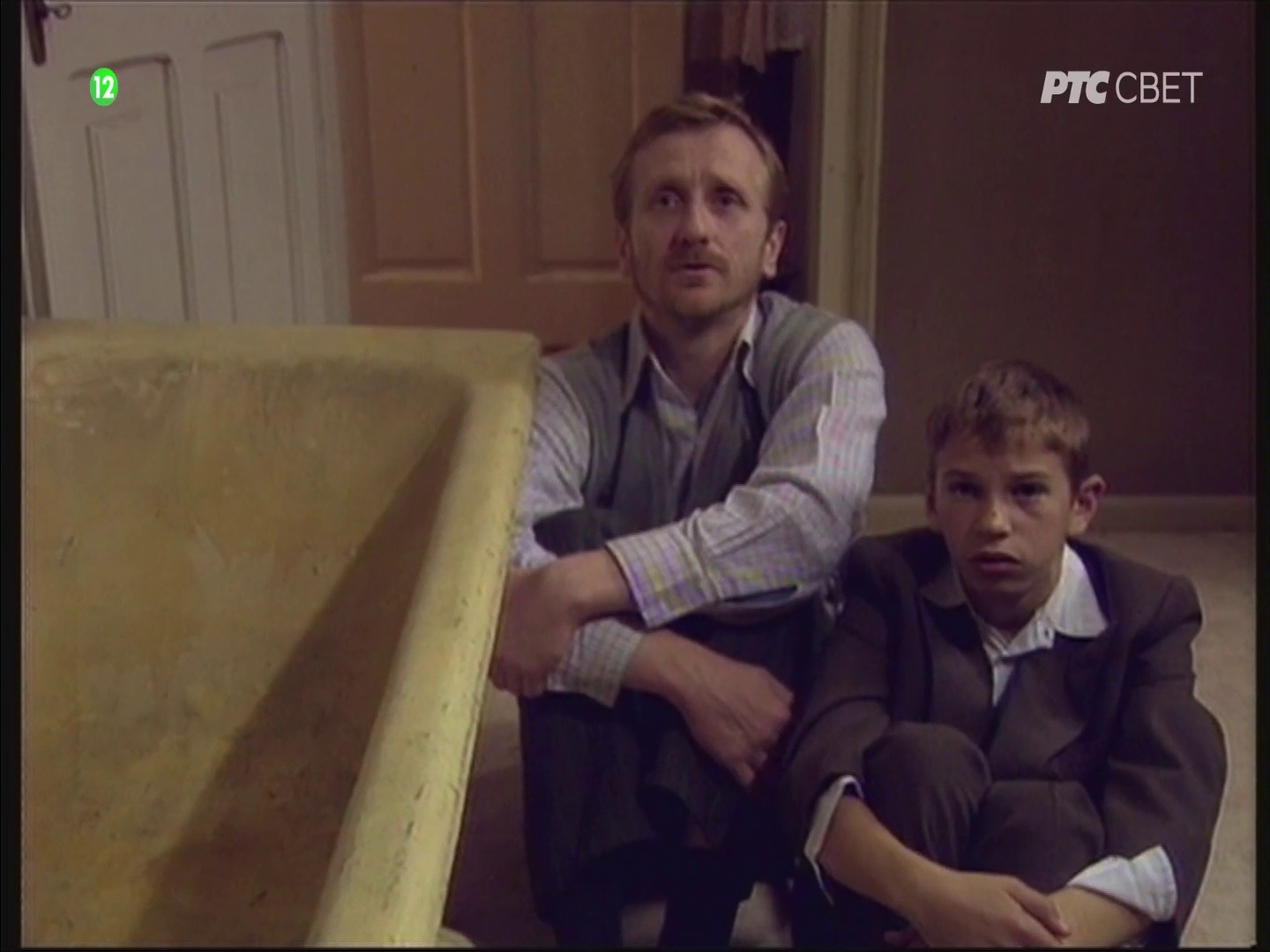
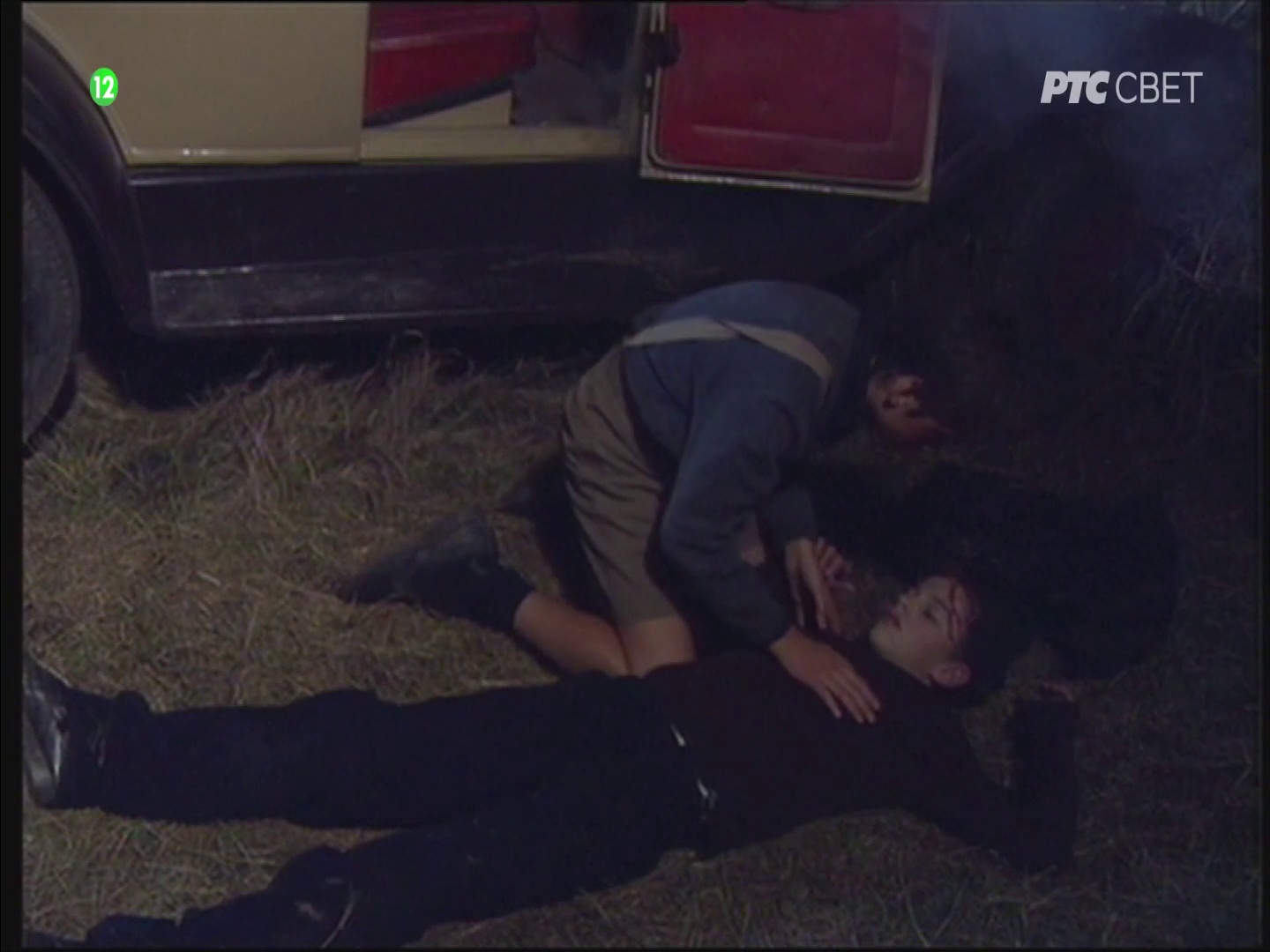
The two boys' lives intersect when Karanjec, a troubled man who has never got over the death of his wife, returns to the village from a psychiatric hospital. Relja's father has his boy work for Karanjec, and Šaponja, who was friends with Karanjec before the latter's departure for the hospital, finds himself sharing in Karanjec's sense of loss over his wife. The discovery of an abandoned car in Karanjec's shed seems to offer Relja the possibility of escape. When the car is repaired, Relja persuades Šaponja to join him with the argument that Šaponja can look for his father in Munich. An accident on the road, however, scuppers their plans, and leaves Šaponja badly injured (possibly fatally so). In a final sequence, the jacket Šaponja was wearing in the car is picked up by the wind and carried all the way to Munich, a symbol of the boys' unfulfilled hopes.
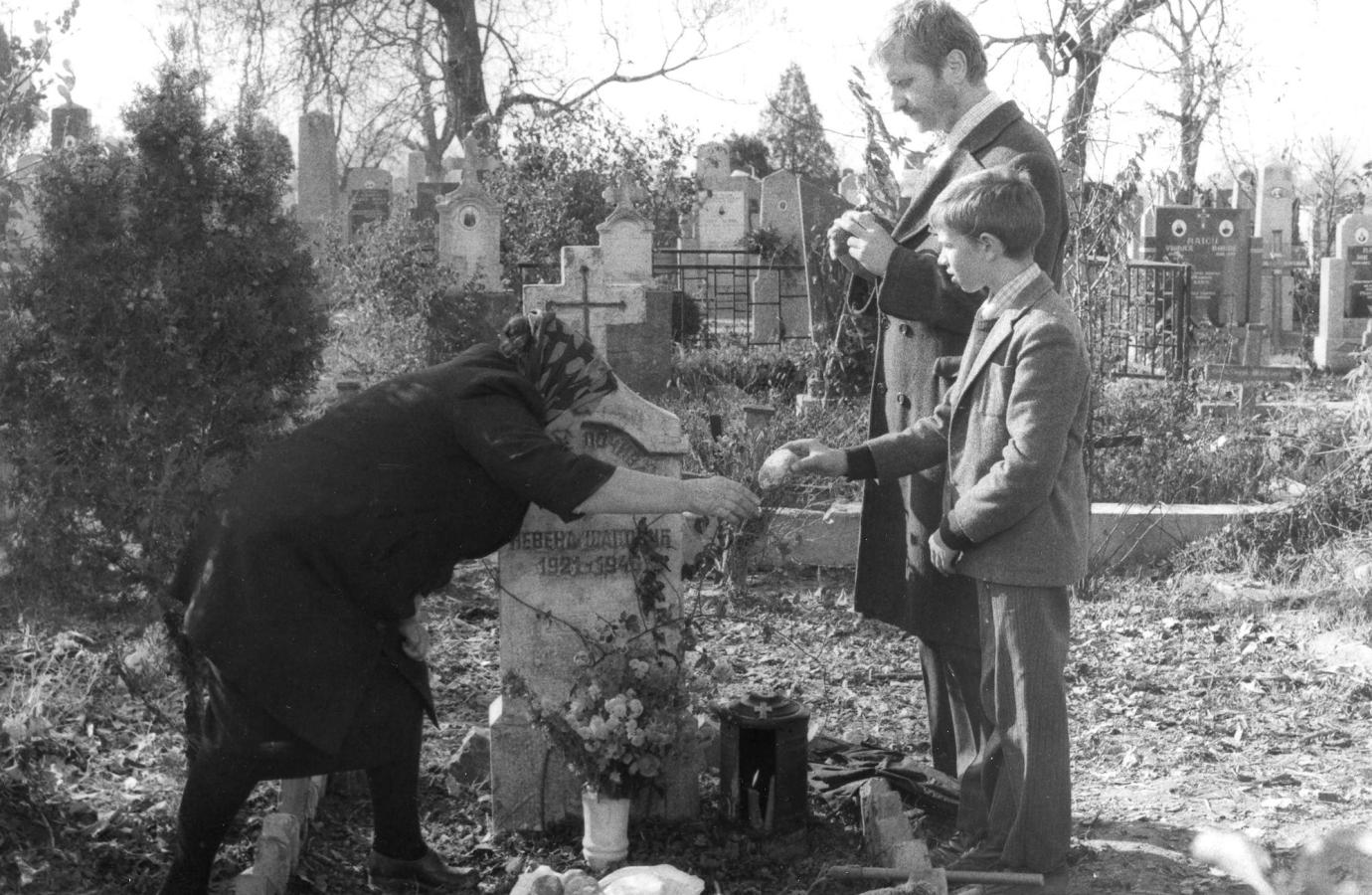
Below: production photo showing Radmila Savićević (left) as Šaponja's grandmother, Bogdan Diklić (on the right) as Karanjec, and Milan Mitrović (standing to Diklić's left) as the boy Šaponja. Radmila Savićević was a famous and much-loved actress in Serbia, who starred in over 60 films before her death in 2001. In 2013, the Serbs put her on a postage stamp.
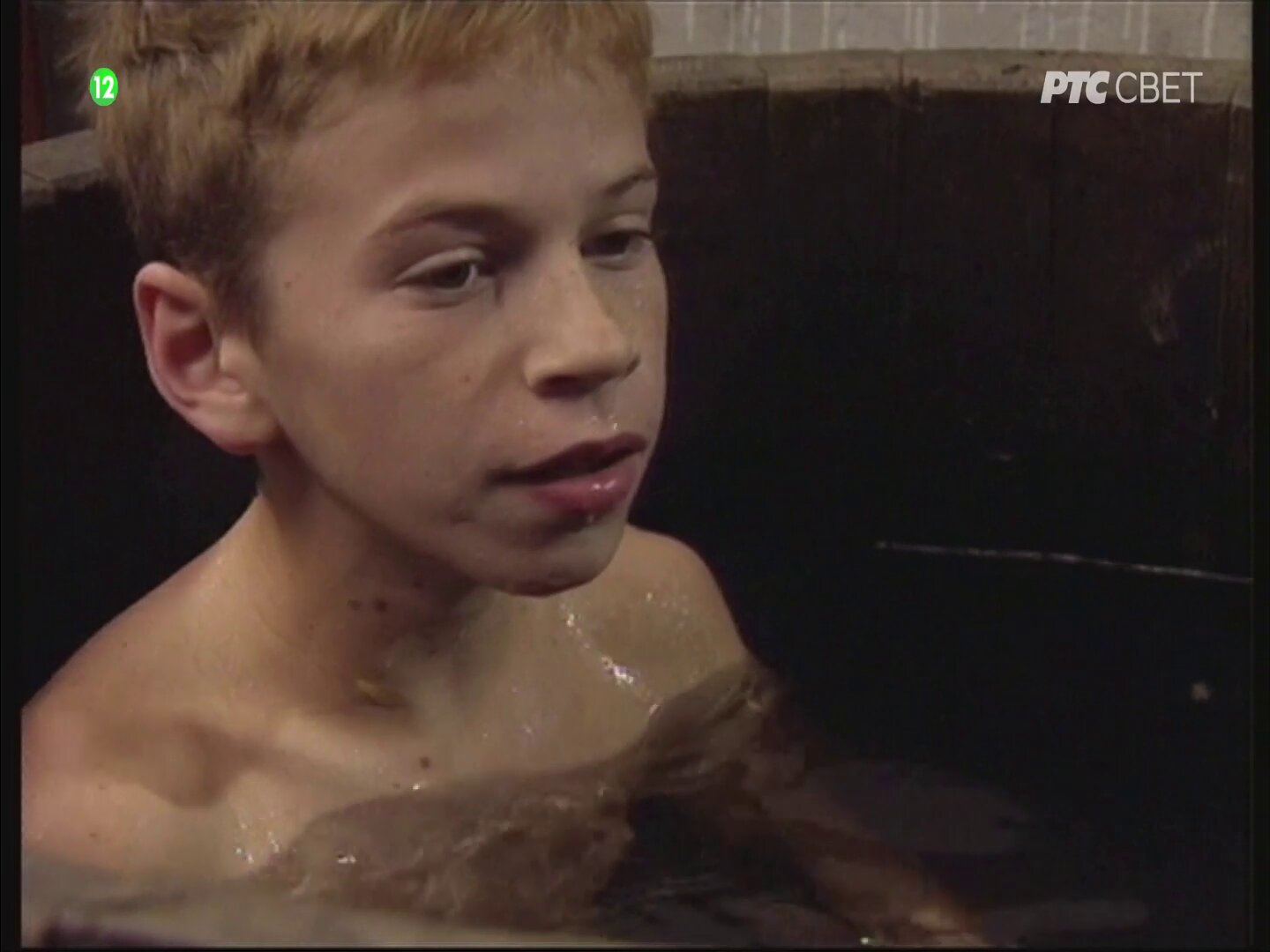
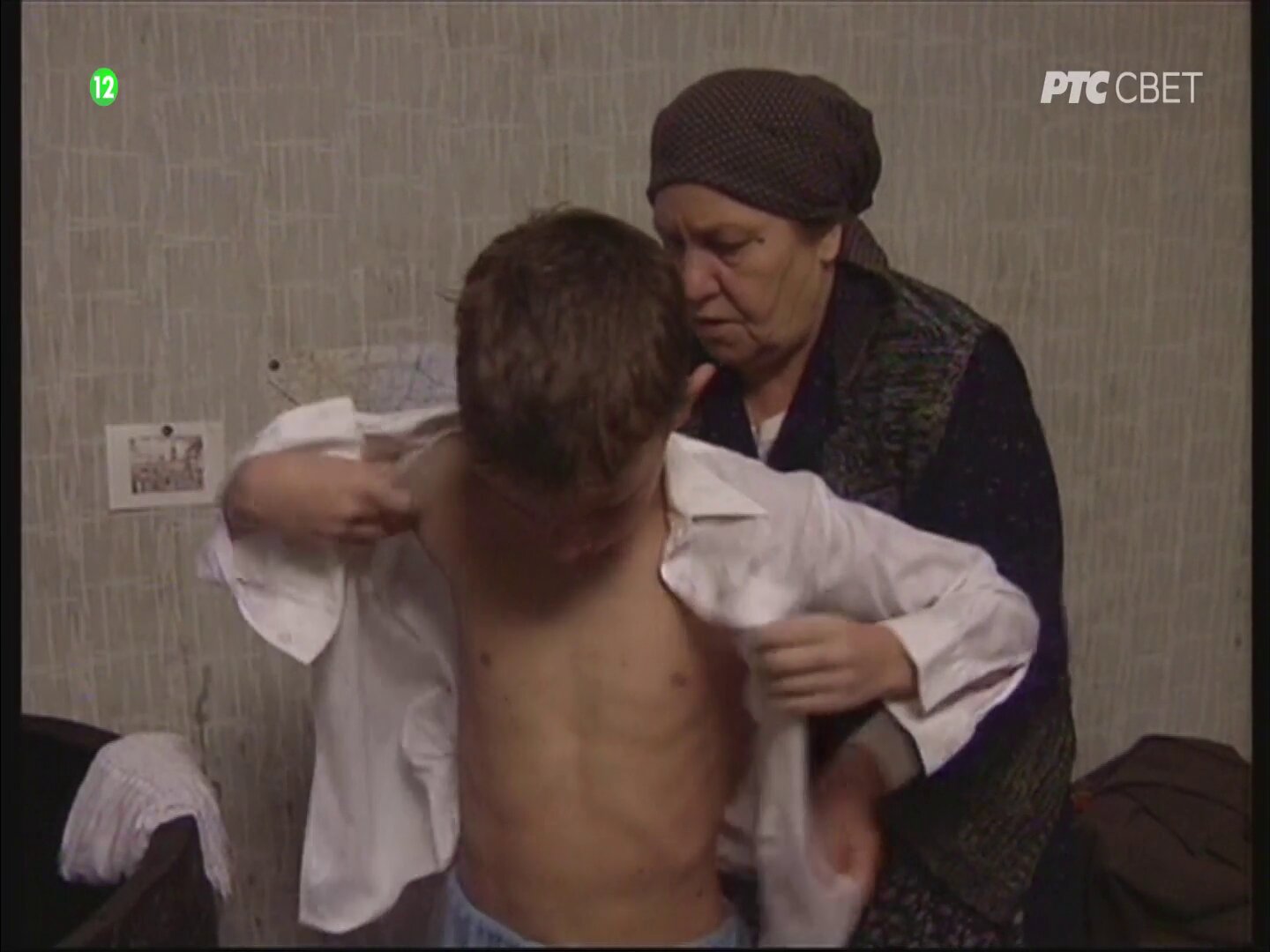
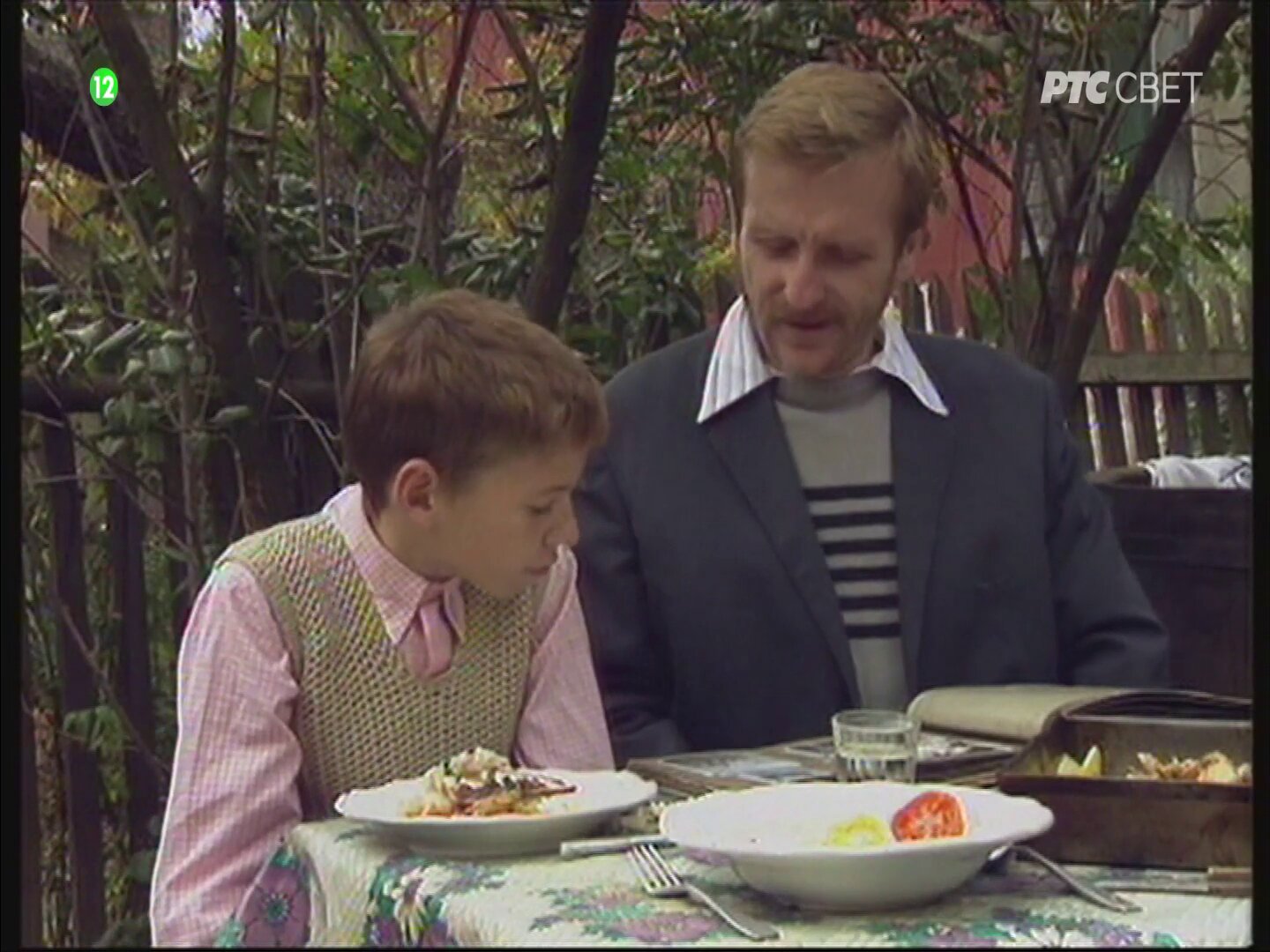
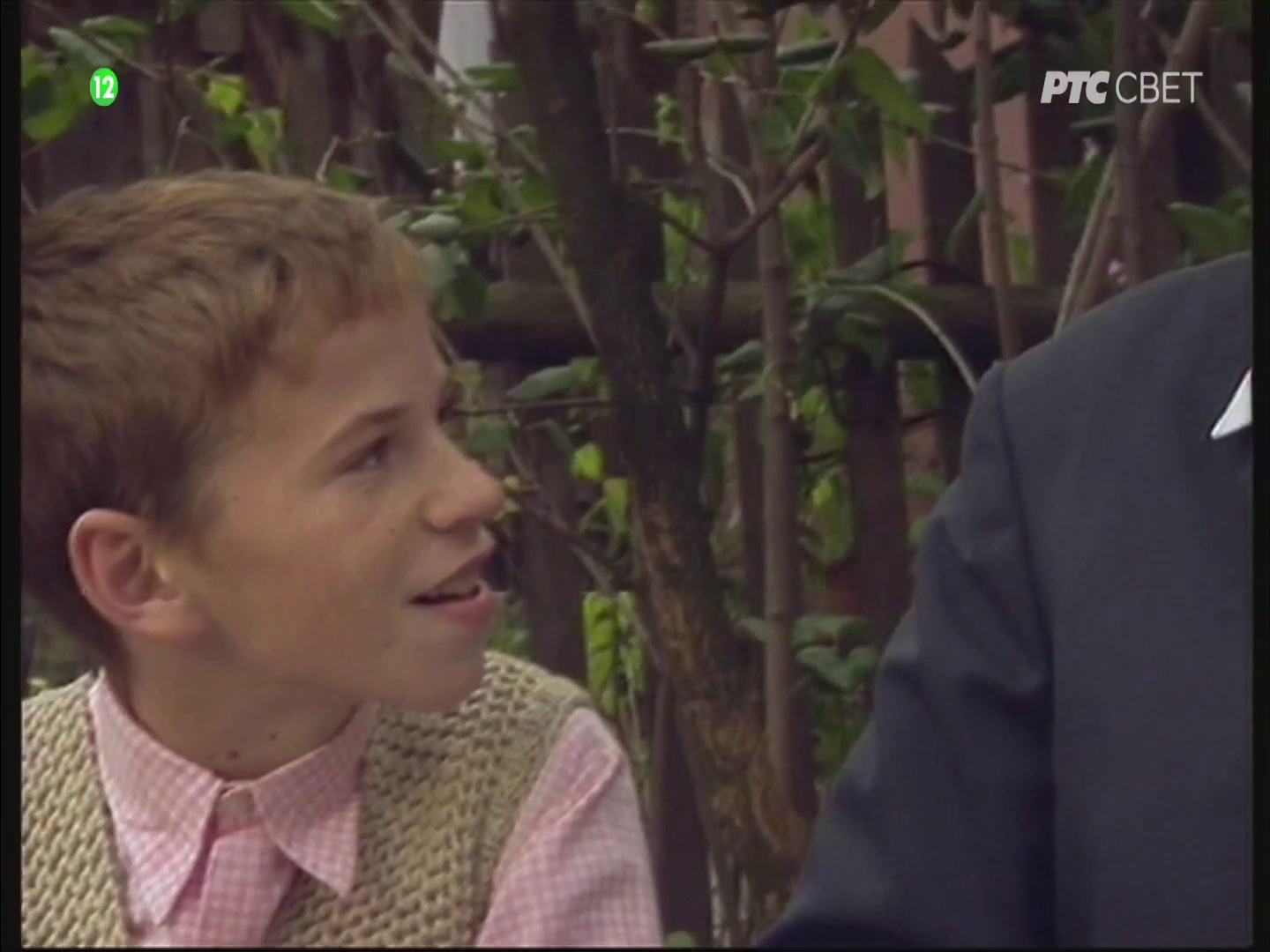
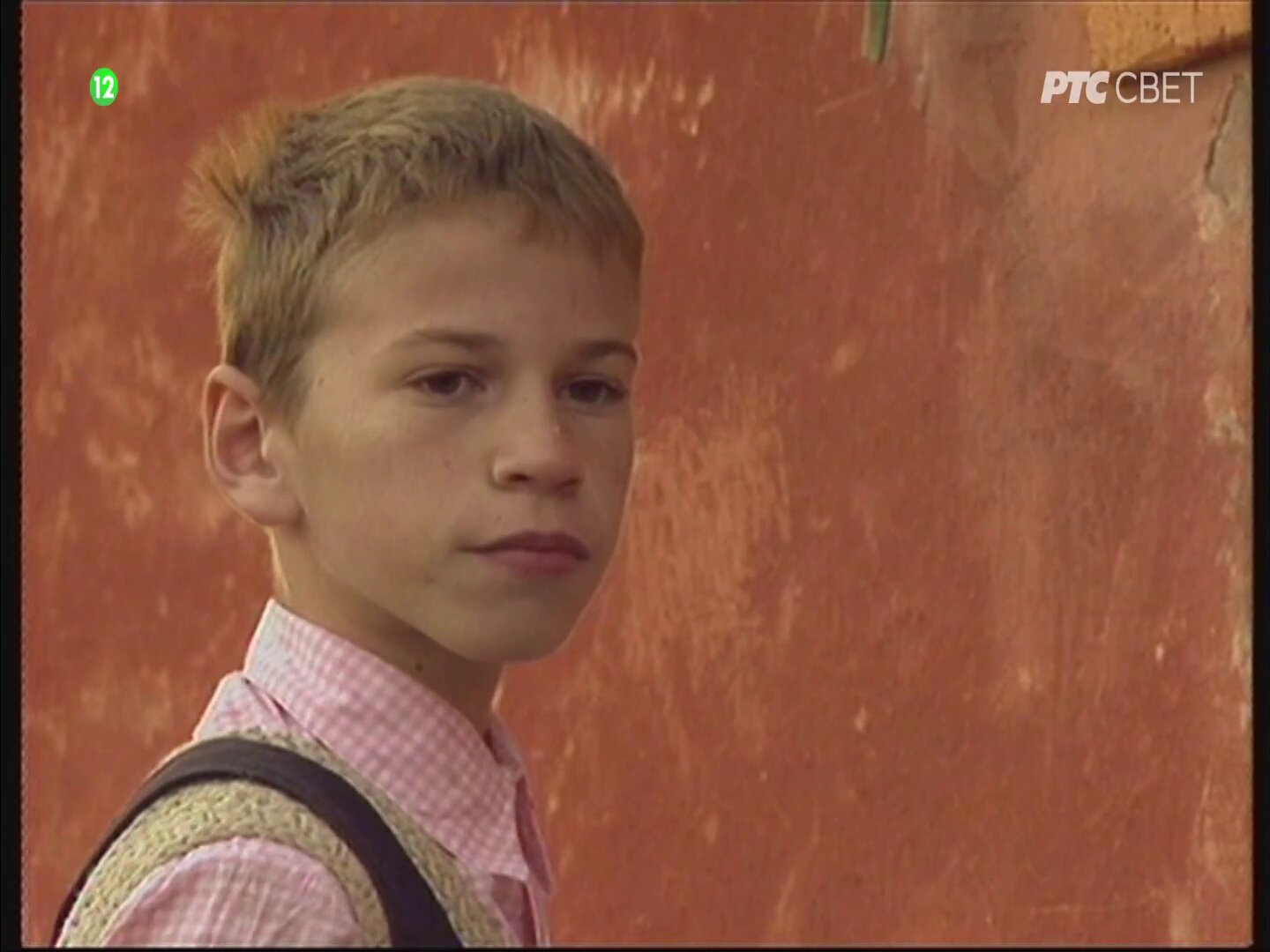
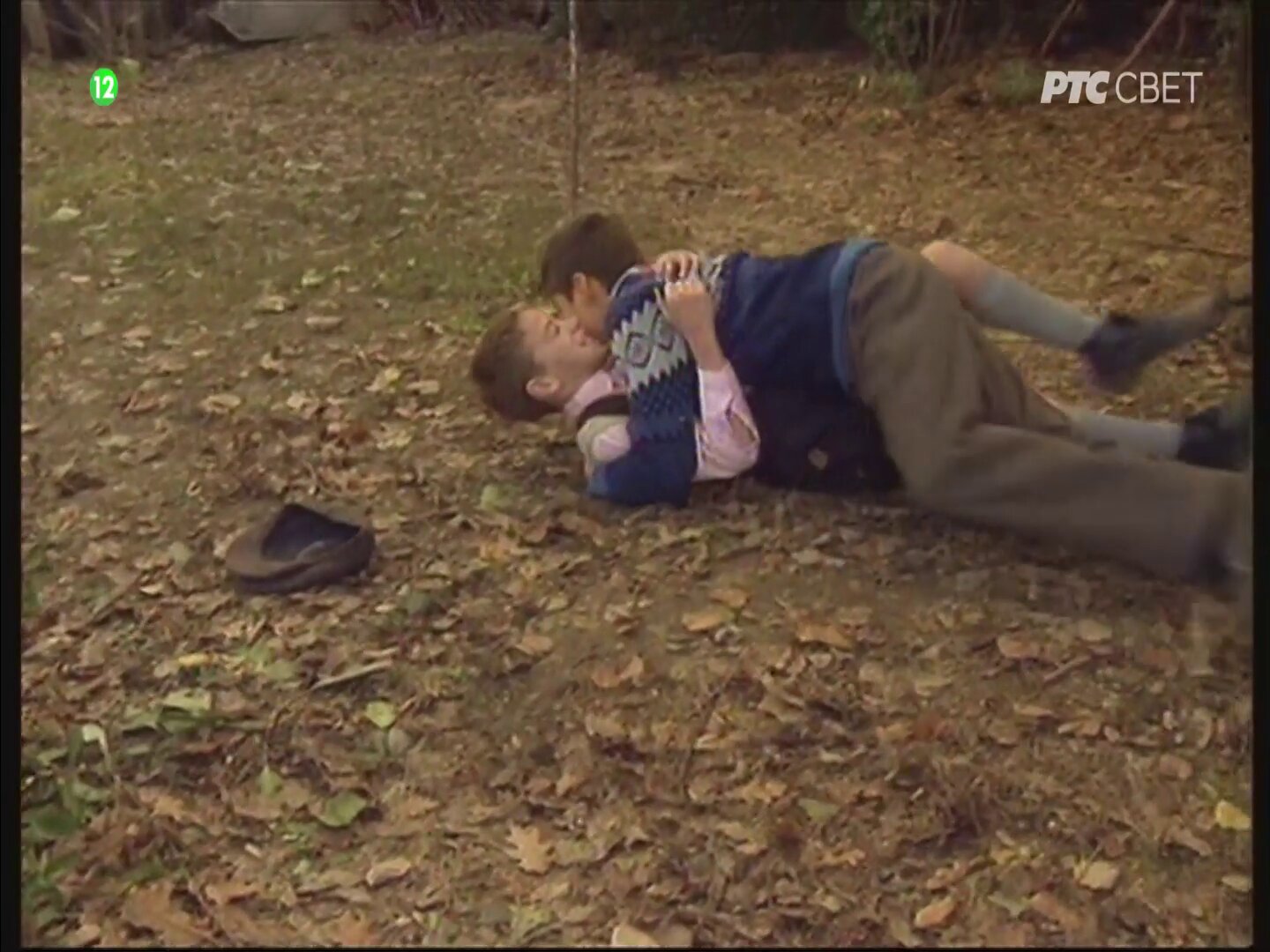
Screenshots







Comments powered by CComment